Three Benefits of Solar for Electric Cars
What if your electric vehicle could charge itself using the power of the sun right from your driveway? As more drivers switch to EVs, the question of how to charge them efficiently and sustainably at home becomes crucial. Integrating renewable energy systems like solar panels with home EV charging not only cuts carbon emissions but also offers financial benefits and energy independence. Let’s explore how these technologies come together to transform the way we power our electric cars.
Advantages of Integrating Solar Panels with Home EV Chargers
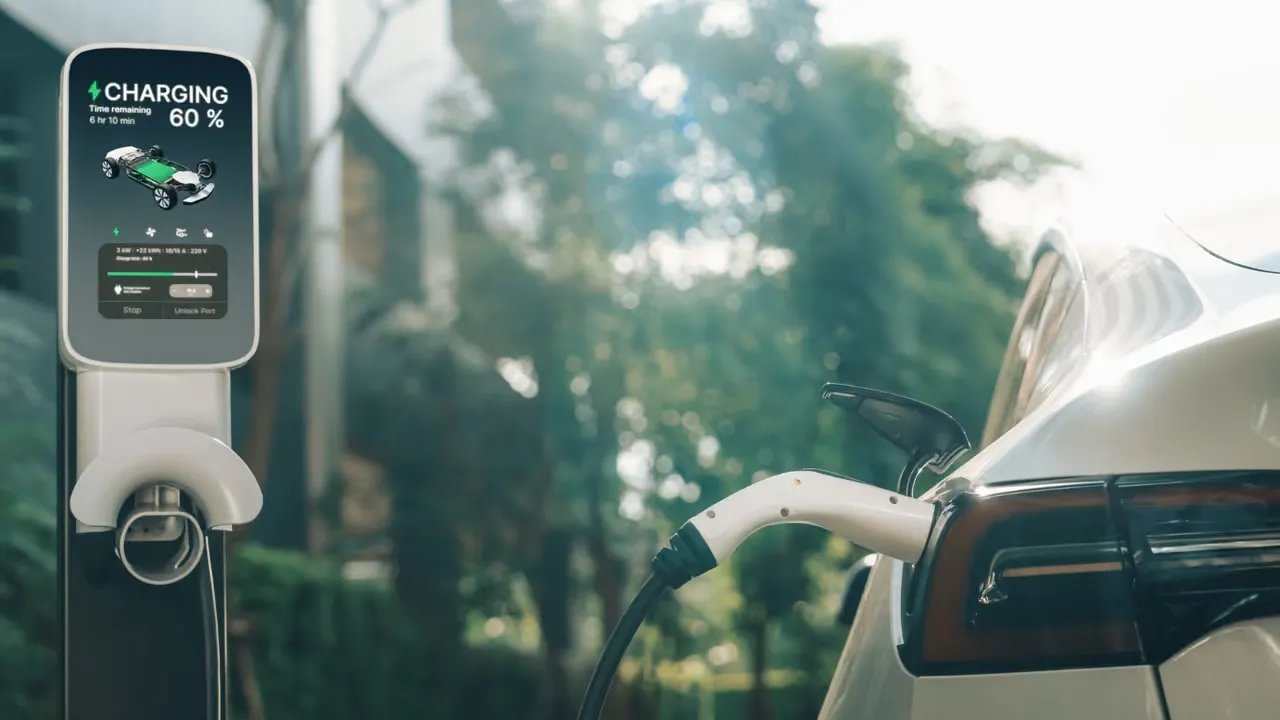
Solar panels are no longer just for environmentally conscious homeowners; they are practical tools that significantly reduce electricity costs. When paired with home EV chargers, solar panels provide a direct source of clean energy, allowing you to charge your vehicle without relying solely on the grid.
- Reduced Carbon Footprint – Charging your EV with solar power slashes greenhouse gas emissions compared to grid electricity, which often relies on fossil fuels.
- Energy Independence – Generating your own electricity means less vulnerability to fluctuating energy prices and power outages.
- Optimized Charging Times – Solar production peaks during the day, which can be synced with daytime charging schedules to maximize renewable energy use.
- Increased Property Value – Solar installations enhance the market appeal of homes, especially to future EV owners.
Many homeowners use smart chargers that communicate with their solar systems, ensuring the car draws power primarily from the sun. This synergy not only supports sustainability goals but also helps manage household energy consumption more efficiently.
Storage Solutions Using Home Batteries to Optimize EV Charging
Solar panels alone can’t provide power at night or during cloudy days, which is where home battery storage enters the picture. Home batteries store excess solar energy generated during the day, making it available for EV charging whenever needed.
- Load Shifting – Batteries store daytime solar energy and discharge it during evening or night charging sessions, maximizing solar utilization.
- Grid Independence – Batteries reduce reliance on grid electricity, especially during peak demand hours when rates are highest.
- Backup Power – In case of a blackout, batteries can keep your EV charger running, providing crucial mobility.
Combining solar panels with a home battery system creates a self-sufficient charging ecosystem. Some advanced setups even allow vehicle-to-home energy flow, using the EV battery as additional storage, but that’s still emerging technology.
Financial Incentives and Long-Term Savings for Home Renewable Energy Setups
Installing solar panels, home batteries, and EV chargers can seem expensive upfront, but a mix of government incentives and energy savings often makes it a wise investment.
- Federal and State Tax Credits – Many regions offer tax credits that can cover 20-30% or more of solar and battery installation costs.
- Rebates and Grants – Local utilities and municipalities frequently provide rebates for renewable energy systems and EV charging infrastructure.
- Net Metering – Excess solar energy sent back to the grid can earn credits, offsetting electricity bills further.
- Lower Operating Costs – Charging your EV with self-generated solar power is cheaper than buying electricity from the grid, especially during peak hours.
Over time, these factors combine to significantly reduce the total cost of vehicle ownership and home energy expenses. For many, the break-even point occurs within 7 to 10 years, with continued savings thereafter.
Case Studies Successful Implementations of Home Renewable Energy for EV Charging
Case Study 1: The Johnson Family in California
The Johnsons installed a 7 kW solar array and a 13.5 kWh battery system alongside a Level 2 EV charger. Their setup allows them to charge their Tesla Model 3 primarily from solar energy. They report saving over $1,200 annually on electricity and enjoy the peace of mind that comes with energy resilience during California’s rolling blackouts.
Case Study 2: Urban Condo Owner in New York
Limited by space, this homeowner invested in a smaller solar panel system on the roof and paired it with a home battery. The EV charging station installed in the building’s parking garage connects to the battery, enabling evening charging with solar energy stored during the day. The system reduced grid dependency and earned the owner a $3,000 rebate from the local utility.
Case Study 3: Rural Home in Texas
A rural homeowner without reliable grid power turned to a hybrid solar-battery system to charge a plug-in hybrid vehicle. The system includes a smart charger that optimizes charging times based on solar production and battery levels. This approach eliminated the need for a diesel generator and cut fuel costs drastically.