Electric Cars Get Charged Without Plugging
Electric vehicle charging is on the brink of a revolution. While plugging in remains the norm today, the landscape is shifting fast with wireless and ultra-fast charging technologies promising to make EV ownership more seamless and convenient than ever before.
Understanding Wireless EV Charging How It Works and Current Developments
Wireless EV charging operates on the principle of electromagnetic induction. Instead of a physical cable connecting the vehicle to the power source, energy transfers through a magnetic field between a charging pad on the ground and a receiver coil installed beneath the EV. This eliminates the need to handle cables, making charging as simple as parking over a designated spot.
Several companies and research institutions have demonstrated functional wireless charging systems. For example, dynamic wireless charging—which charges vehicles while driving over embedded coils in roads—is progressing from concept to pilot projects. This could dramatically reduce range anxiety by topping up batteries during daily commutes without stopping.
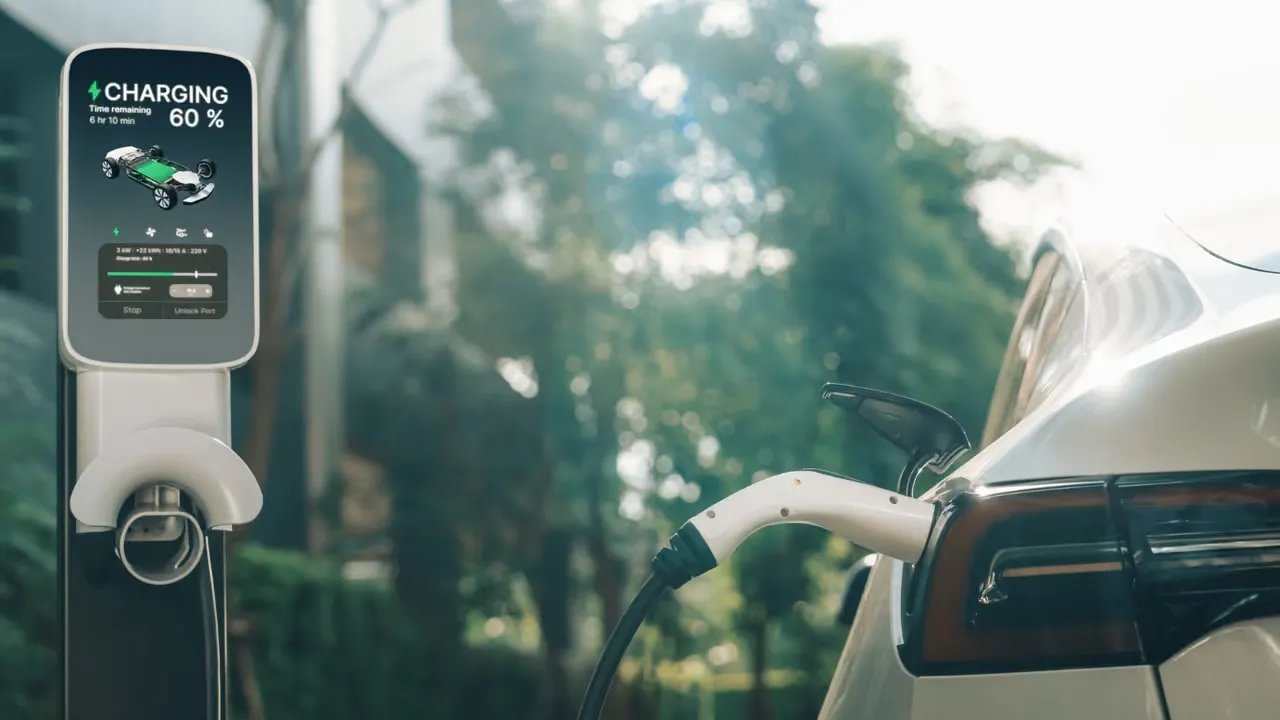
Current wireless chargers mostly support lower power levels compared to wired systems, typically around 3 to 22 kW, suitable for overnight home charging. However, advances in coil design, power electronics, and alignment technologies are pushing these limits higher. The goal is to match or surpass wired charging speeds while maintaining high efficiency and safety.
Ultra-Fast Charging Technologies Reducing Charge Times Significantly
Ultra-fast charging is about slashing the time it takes to get a meaningful battery boost. Standard fast chargers today deliver around 50 to 150 kW, often requiring 30 minutes or more for an 80% charge. Ultra-fast chargers push into the 350 kW range and beyond, capable of adding hundreds of miles of range in under 15 minutes.
These powerful chargers rely on new battery chemistries that can handle rapid energy influx without degradation, advanced cooling systems to manage heat, and grid upgrades that can supply high power safely. Tesla’s V3 Superchargers and networks like Electrify America have already rolled out stations providing up to 250 kW, with plans for even faster options.
Looking ahead, companies are experimenting with megawatt charging stations designed for electric trucks and buses, which require much higher currents. Scaling ultra-fast charging to consumer cars will redefine road trips and fleet operations, reducing downtime dramatically.
Integrating Future Charging Solutions into Existing Infrastructure
One of the biggest puzzles is how to incorporate wireless and ultra-fast charging into the current EV charging ecosystem. Wireless charging pads could be embedded in residential garages, parking lots, workplaces, and even public streets. This would allow drivers to top up effortlessly whenever the vehicle is parked.
However, retrofitting infrastructure isn’t trivial. Power delivery systems must be upgraded to handle increased loads, and standardization across different vehicle models and manufacturers is critical to avoid fragmentation. Cities and utilities will need to coordinate for grid stability and efficient energy management, especially as charging demands peak.
Ultra-fast chargers, meanwhile, require substantial electrical capacity and cooling infrastructure, often necessitating site-specific engineering. Combining these technologies with renewable energy sources and smart grid controls could optimize energy use and reduce environmental impact.
Challenges and Opportunities for Mass Adoption of Advanced EV Charging
Despite the promise, several hurdles stand in the way. Wireless charging faces efficiency losses compared to wired methods, which can translate into higher energy costs and slower charge times if not addressed. Misalignment between vehicle and pad can reduce performance, though new guidance and positioning aids are improving the experience.
Ultra-fast charging infrastructure is expensive and complex to deploy. The electrical grid in many regions isn’t yet ready for widespread ultra-fast demands. Battery degradation concerns under frequent rapid charging also need ongoing research.
On the flip side, these technologies open up new possibilities. Wireless charging could make EVs more accessible to users who struggle with cables, including the elderly and disabled. Ultra-fast charging can remove one of the biggest psychological barriers to EV adoption: long charging waits.
Automotive manufacturers, energy companies, and governments are investing heavily in these areas. Standardization bodies are working on protocols to ensure compatibility and safety. As these efforts converge, the future of EV charging looks less like a chore and more like a natural part of driving.