The Rise of EV Charging at Workplaces
What if the key to happier, more productive employees was parked right outside your office building?
The Current State of Workplace EV Charging Availability
Electric vehicles (EVs) are no longer a niche market; they are quickly becoming the norm. Yet, despite the surge in EV adoption, workplace charging infrastructure remains surprisingly scarce. A 2023 survey by the U.S. Department of Energy found that only about 20% of workplaces offer EV charging stations for employees. This lack of access is a major barrier for many potential EV drivers who want the convenience of charging at work but simply don’t have the option.
Even in progressive urban areas, many companies fall behind in providing enough charging points. Often, organizations focus on public charging networks or residential charging solutions, overlooking the unique benefits workplace charging offers. This gap leaves employees juggling limited options and adds stress to their daily commute.
How Workplace Charging Impacts Employee Convenience and Retention
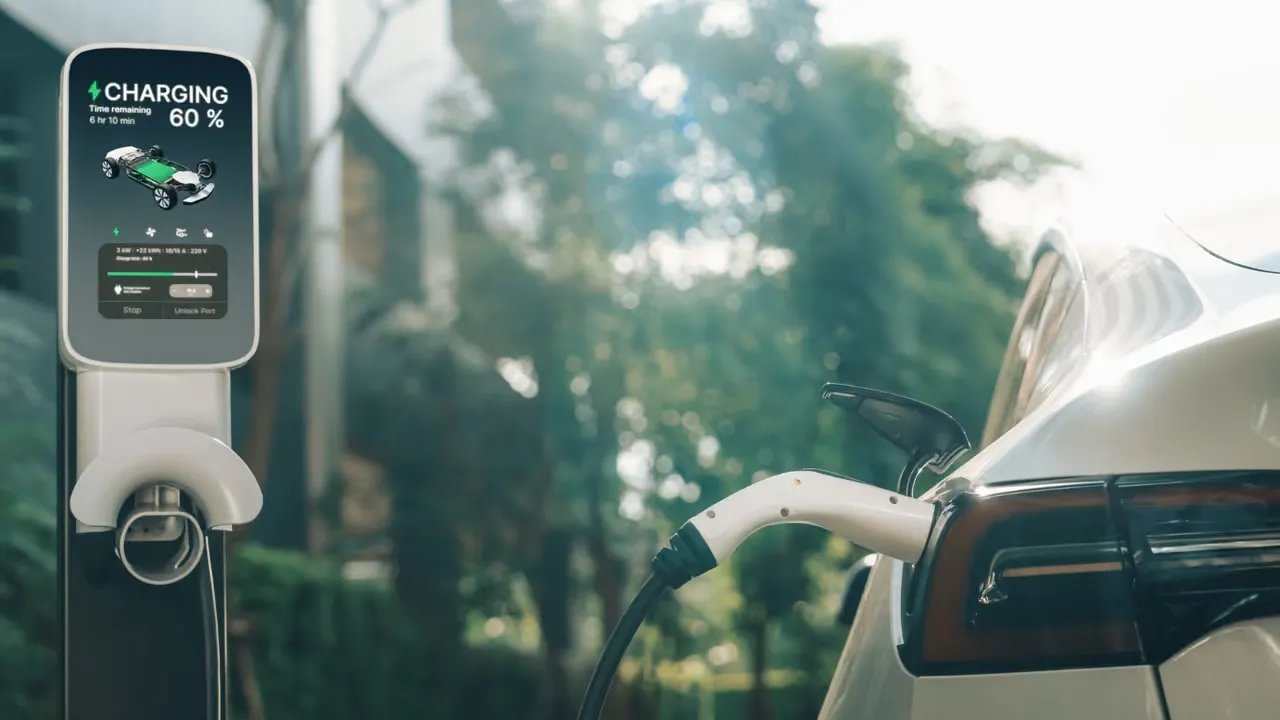
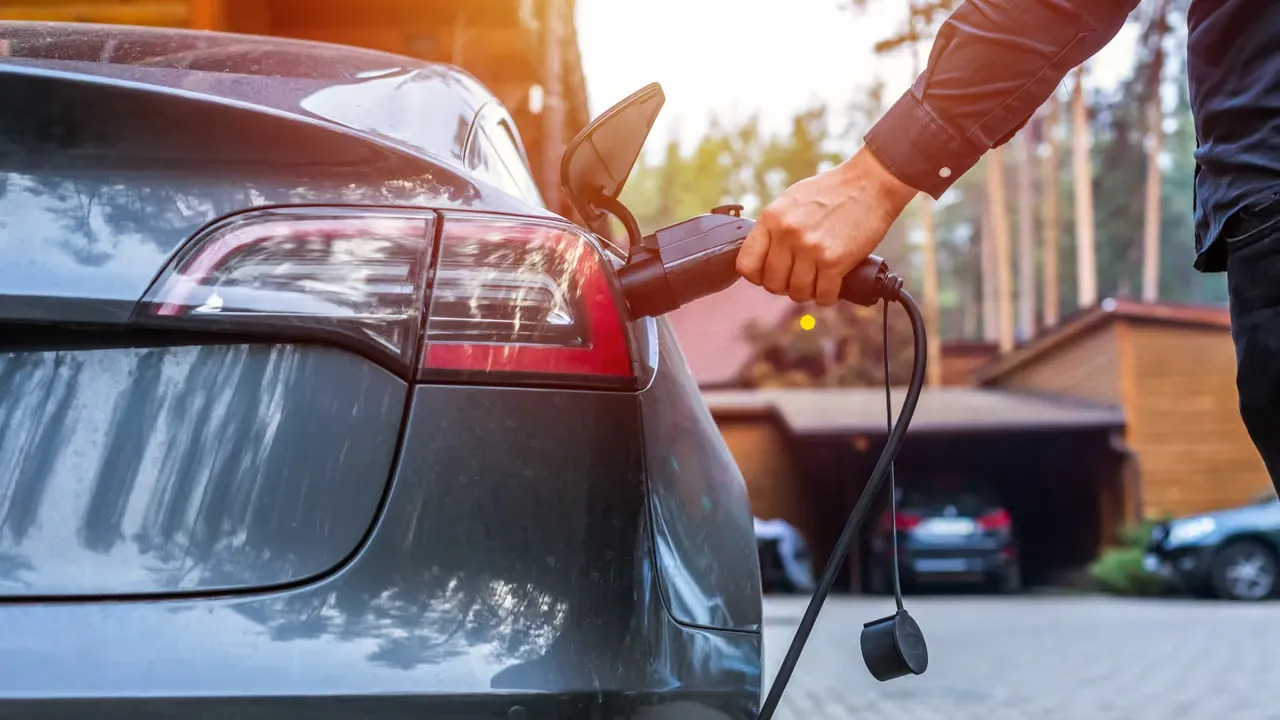
Workplace EV charging is not just a perk; it’s a strategic asset. For employees, the ability to plug in their vehicle during the workday means less time spent hunting for public chargers or worrying about running out of battery. This convenience cuts down stress and makes daily routines smoother.
From the employer’s side, providing charging stations shows a real commitment to sustainability and employee well-being. It’s a clear investment in the workforce that can boost job satisfaction. According to a 2022 study by GreenBiz, companies offering EV charging saw a 15% lower employee turnover rate compared to those that didn’t.
Workplace EV charging also works as a strong recruitment tool. Job seekers, especially younger professionals, increasingly want employers who care about the environment. Offering EV charging fits these values and helps companies stand out in a crowded talent market.
Beyond convenience, workplace charging can encourage employees to switch to EVs. Knowing they can charge at work reduces range anxiety and makes the switch more practical. This shift supports broader corporate sustainability goals and cuts down on carbon footprints.
Case Studies of Successful Workplace EV Charging Implementations
- Salesforce, San Francisco
Salesforce has installed over 400 EV charging stations across its campuses. The company reports that this move has been a hit with employees who drive EVs, helping create a more engaged and motivated workforce. Their program also includes incentives for carpooling and EV use, weaving sustainability deeply into their corporate culture. - Adobe, Seattle
Adobe’s Seattle office combines EV charging with employee benefits, offering free charging and priority parking spots for EV drivers. This approach has boosted employee satisfaction and helped Adobe meet its ambitious carbon neutrality goals faster. Employees say the convenience of charging at work makes a real difference in their daily lives. - Microsoft, Redmond
Microsoft’s campus features smart EV charging stations that adjust charging speeds based on grid demand and employee schedules. This smart system cuts energy costs and ensures chargers are available when employees need them. It shows how technology can make workplace charging more efficient and user-friendly.
Future Trends in Integrating EV Charging with Smart Office Technology
The future of workplace EV charging lies in its integration with broader smart office systems. As offices become more connected, EV charging stations will no longer stand alone but become part of a full energy management plan.
Smart charging systems already use real-time data to balance load and cut costs by charging vehicles during off-peak hours. The next step is syncing this with building energy use, renewable sources like solar panels, and even employee calendars to predict charging needs more accurately.
Companies are also developing apps that let employees reserve charging spots, check their vehicle’s charging status remotely, and get alerts when charging finishes. These features add convenience and make workplace charging easier to use.
Some innovators are exploring vehicle-to-grid (V2G) technology, where parked EVs can send energy back to the building during peak demand. This could turn workplaces into mini energy hubs, boosting sustainability and even creating new revenue streams.
As this technology advances, we can expect workplace charging to become smarter, more efficient, and more closely tied to overall office energy strategies. This will make EV ownership easier and more attractive for employees, while helping companies meet their green goals.