Smart Charging Powers EVs with Clean Energy
How can smart EV charging technology transform the way we use energy and slash costs for electric vehicle owners? As electric vehicles become more common, the demand for efficient and cost-effective charging solutions is skyrocketing. Smart EV charging is emerging as a game-changer, offering a way to optimize energy consumption while reducing the financial burden on consumers.
What is Smart EV Charging and How Does It Work?
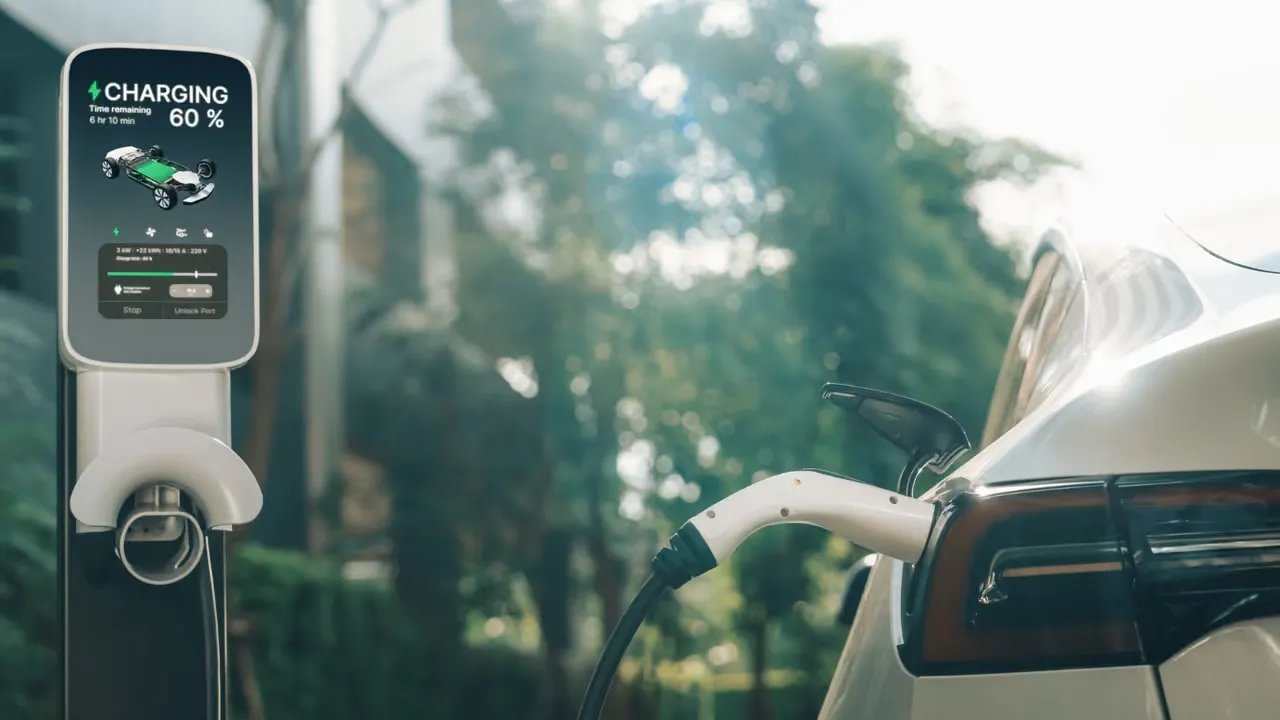
Smart EV charging refers to an advanced system that manages the charging process of electric vehicles by communicating with the grid, the vehicle, and sometimes the home energy system. Unlike traditional chargers that deliver power at a fixed rate whenever plugged in, smart chargers adjust charging speed and timing based on various factors such as electricity rates, grid demand, and user preferences.
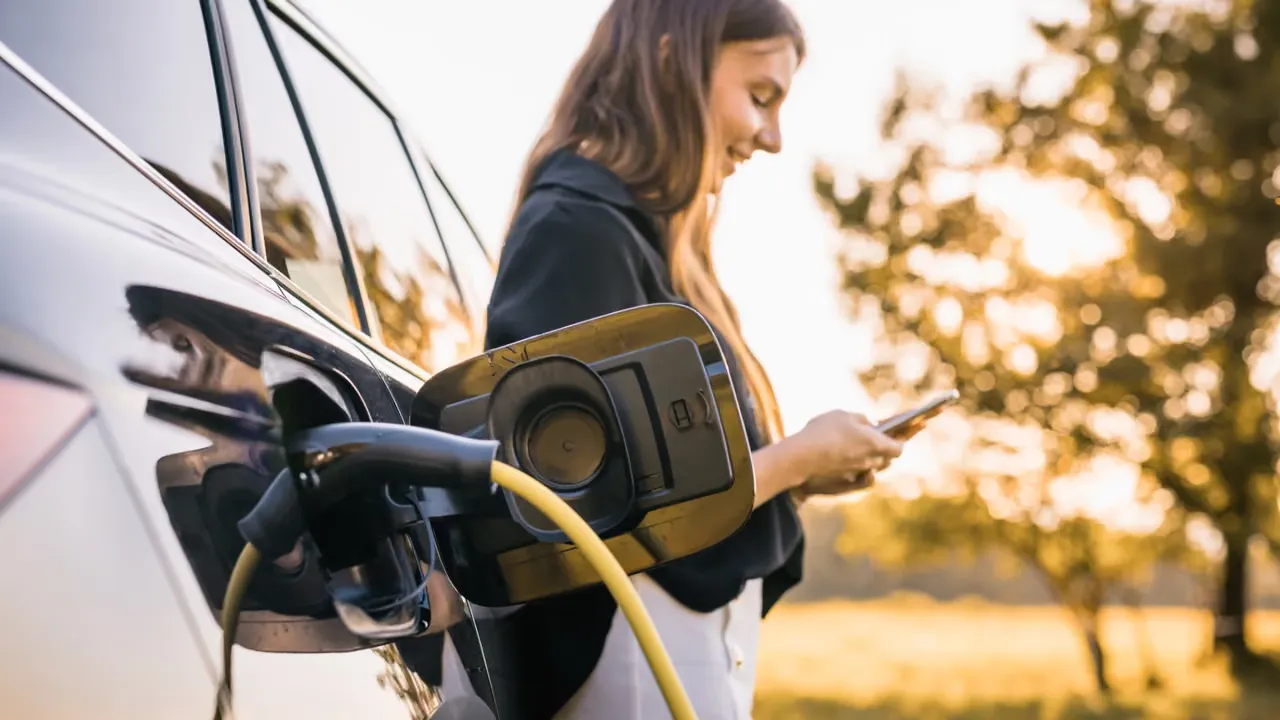
At its core, a smart charger uses software algorithms and connectivity features—often through Wi-Fi or cellular networks—to monitor and control the flow of electricity. It can delay charging until off-peak hours when electricity is cheaper or reduce charging speed to prevent overloading the local grid. Some models even integrate with smartphone apps, allowing users to schedule charging sessions, monitor energy consumption, and receive notifications.
Benefits of Smart Charging for Energy Efficiency and Cost Savings
Smart EV charging shines brightest in its ability to optimize energy use and save money. Here’s how:
- Time-of-Use Optimization: Electricity rates often vary throughout the day, with peak hours commanding higher prices. Smart chargers can schedule charging during off-peak periods, significantly cutting electricity bills.
- Load Management: In homes with multiple electric vehicles or high energy consumption, smart chargers balance the load to avoid spikes that can increase costs or require costly electrical upgrades.
- Grid-Friendly Charging: By aligning charging with grid capacity, smart chargers reduce strain during high demand, preventing blackouts and encouraging utilities to offer better rates for flexible charging.
- Energy Usage Insights: Detailed reports and real-time monitoring empower consumers to understand their charging habits and make informed decisions to further reduce waste and expense.
Many users report savings of 20-30% on their charging costs simply by leveraging smart charging features, turning EV ownership into a more financially sustainable choice.
Integration of Smart Chargers with Renewable Energy Sources
One of the most exciting aspects of smart EV charging is its ability to synchronize with renewable energy systems like solar panels and home batteries. Instead of drawing power exclusively from the grid, a smart charger can prioritize using clean energy generated on-site.
For example, a homeowner with rooftop solar panels can set the smart charger to activate when solar production peaks during midday, maximizing the use of free, green electricity. If paired with a home battery system, the charger can also draw from stored energy during nighttime or cloudy days, further reducing reliance on grid power.
This integration not only lowers the carbon footprint of EV charging but also enhances energy independence and resilience. As renewable energy adoption grows, smart charging will be crucial in managing intermittent power generation and matching charging demand to available clean energy.
Future Trends and Innovations in Smart EV Charging
The smart charging landscape is evolving rapidly, with several trends shaping the future:
- Vehicle-to-Grid (V2G) Technology: Soon, EVs won’t just consume energy—they’ll also supply it back to the grid during peak demand. Smart chargers will enable bidirectional flow, turning parked cars into distributed energy resources.
- AI and Machine Learning: Advanced algorithms will predict user behavior, grid conditions, and energy prices to optimize charging in real-time without manual input.
- Wireless and Ultra-Fast Charging: As charging tech advances, smart systems will manage ultra-fast or wireless chargers, balancing rapid energy delivery with grid stability.
- Integration with Smart Homes and IoT: Smart chargers will become part of broader home automation ecosystems, communicating with appliances, HVAC systems, and energy management platforms for holistic efficiency.
- Dynamic Pricing and Incentive Programs: Utilities are exploring real-time pricing models and rewards for flexible charging, which smart chargers will seamlessly navigate to maximize savings.
These innovations promise not only to make charging more convenient and affordable but also to transform electric vehicles into active participants in a smarter, cleaner energy future.