Home EV Chargers Gain Popularity in 2024
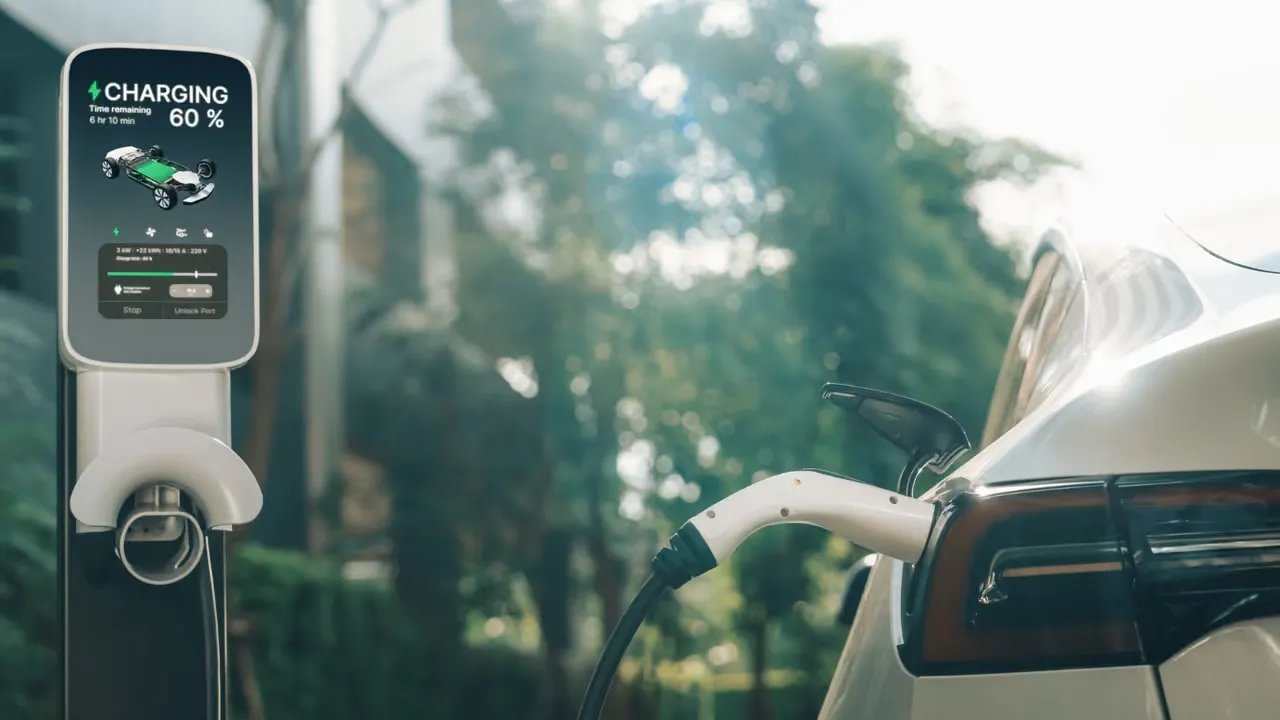
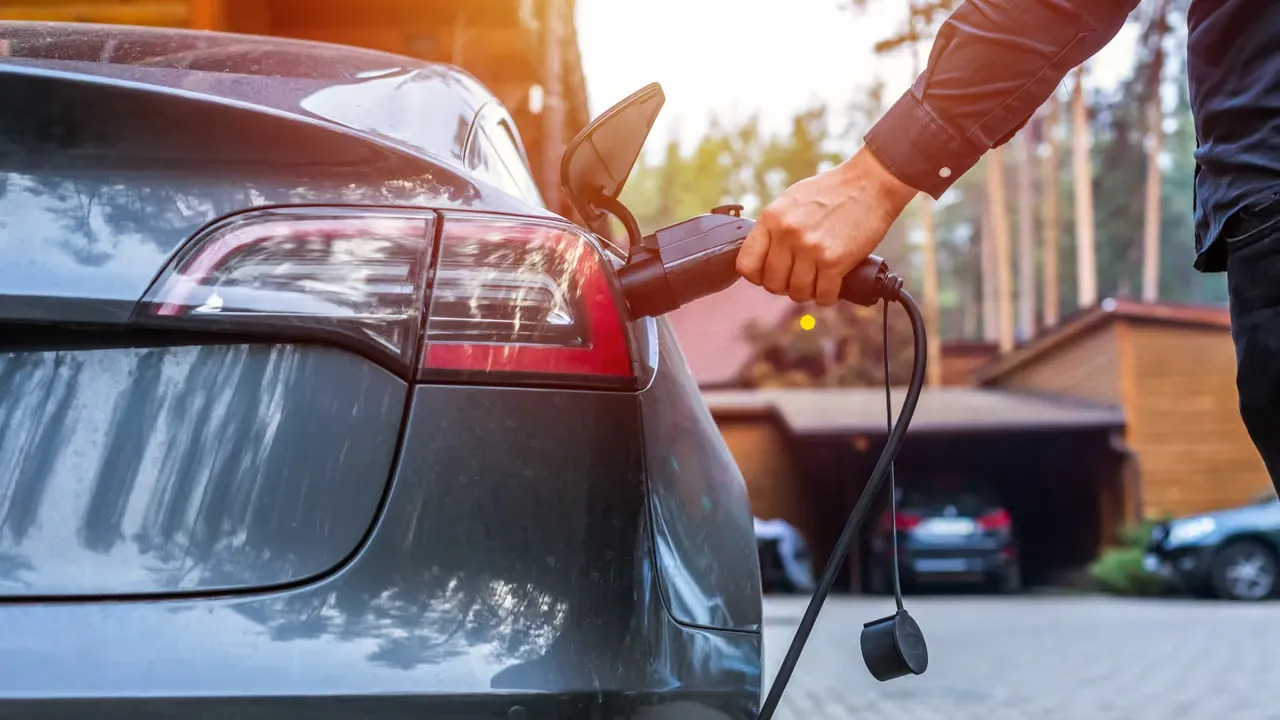
Imagine pulling into your driveway after a long day, plugging your electric vehicle into a sleek charger installed just steps from your front door, and knowing it will be fully charged by morning. For many homeowners, this scenario is becoming the new normal as residential EV charging infrastructure evolves rapidly to keep pace with surging demand and changing homeowner expectations.
The Growth of Home EV Charging Installations
Electric vehicles have moved from niche to mainstream in a remarkably short span of time. As more people embrace EVs, the need for accessible and convenient charging solutions at home has skyrocketed. Recent data shows a sharp increase in residential charger installations, driven by factors such as government incentives, rising fuel prices, and expanding EV model availability.
Home charging offers undeniable advantages over public stations: convenience, cost savings, and control over your energy use. This has led a growing number of homeowners to invest in Level 2 chargers, which deliver faster charging speeds than the standard Level 1 chargers that plug into regular outlets. The rise in multi-EV households has also pushed demand, as families seek to power more than one electric vehicle simultaneously.
Technological Innovations in Residential Chargers
The technology behind home EV chargers has evolved beyond simple plug-and-play devices. Modern chargers now incorporate smart features designed to optimize energy use, enhance user experience, and integrate with home energy systems.
- Smart Charging: Chargers equipped with Wi-Fi or Bluetooth connectivity allow users to schedule charging sessions during off-peak hours, reducing electricity costs and easing grid demand.
- Load Management: Advanced systems can balance the energy draw from multiple chargers or household appliances, preventing circuit overloads and maximizing efficiency.
- Energy Integration: Many residential chargers now work seamlessly with home solar panels and battery storage, enabling owners to charge their vehicles using renewable energy directly.
- Enhanced Safety Features: Innovations such as temperature monitoring, ground fault protection, and automatic shutoff boost safety and reliability.
These technological strides make home charging more accessible and user-friendly, even for those unfamiliar with EV infrastructure.
Challenges and Solutions for Residential EV Charging
Despite progress, residential EV charging still faces hurdles that homeowners and installers must navigate. Electrical capacity is a common concern; older homes may lack the wiring or panel capacity needed to support Level 2 chargers. Upgrading electrical systems can be costly and disruptive.
Another challenge is the physical installation environment. Not every home has a convenient garage or sheltered parking spot, which complicates charger placement and protection from the elements. Additionally, local permitting and utility regulations can add layers of complexity.
Solutions are emerging to address these issues:
- Portable Chargers: Some EV owners opt for high-capacity portable chargers that plug into existing outlets, avoiding extensive home electrical work.
- Load Sharing and Smart Panels: New electrical panels and load-sharing devices enable multiple EVs to charge without expensive panel upgrades.
- Weatherproof and Modular Designs: Chargers with robust enclosures and modular components simplify installation in diverse outdoor settings.
- Streamlined Permitting: Municipalities are increasingly adopting expedited permitting processes and clear guidelines to encourage residential EV charger installations.
Installer expertise and homeowner education are also crucial. As the market matures, professional services are becoming more adept at tailoring solutions to individual home needs and constraints.
Future Trends in Home EV Charging Infrastructure
The next wave of innovation in residential EV charging will likely focus on further integration with smart homes and grids. Vehicle-to-Home (V2H) technology, which allows EVs to supply electricity back to the home during outages or peak demand, is gaining attention. This can turn EVs into mobile energy assets rather than just consumers.
Wireless charging is another area of exploration. While currently limited in speed and availability, inductive charging pads embedded in driveways could someday enable effortless, cable-free energy transfer.
On the software front, AI-driven energy management systems will optimize charging schedules in real-time, balancing homeowner preferences, energy prices, and grid conditions. Such systems could also facilitate participation in demand response programs, where EV owners get compensated for adjusting their charging patterns to support grid stability.
Finally, as EV adoption grows, we’ll see more community-scale solutions, such as shared residential chargers in apartment complexes and neighborhood hubs, designed to serve multiple households efficiently.