Charging EVs in Urban Apartments Challenges
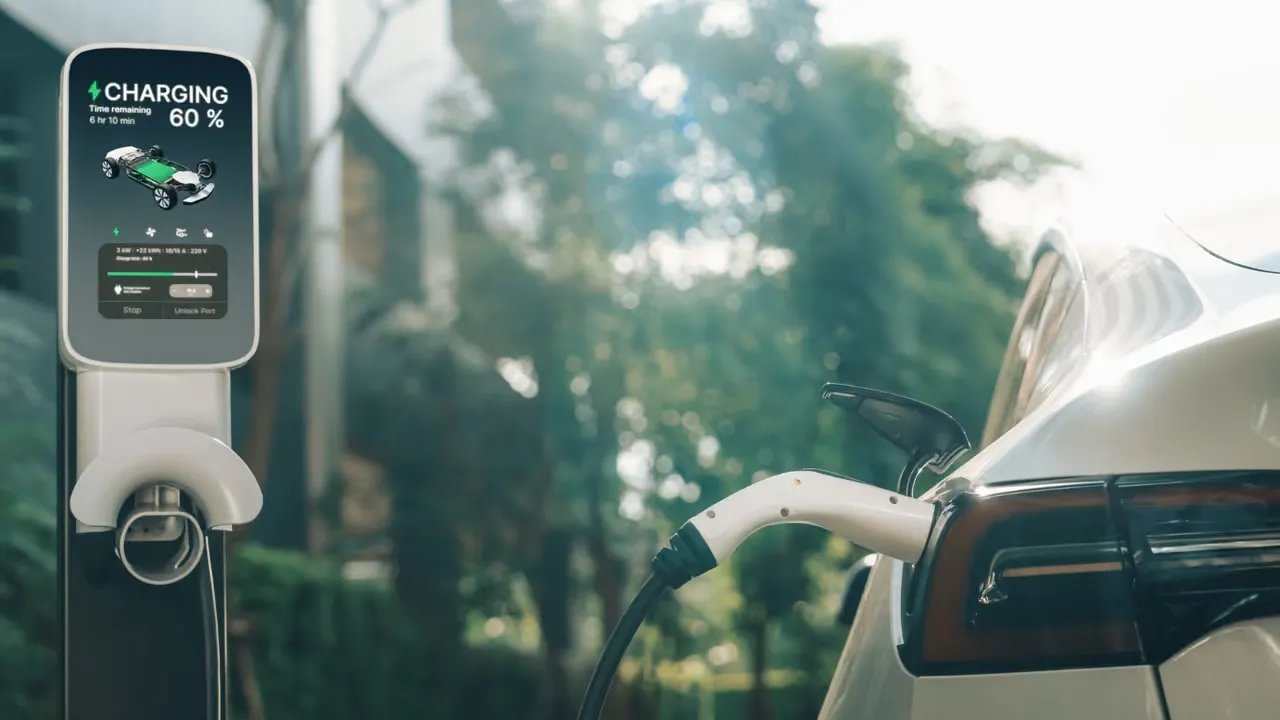
How do people living in urban apartment complexes keep their electric vehicles charged without the convenience of a private garage or driveway? As electric vehicles (EVs) surge in popularity, the question of how to provide adequate charging infrastructure for residents in multi-unit dwellings becomes more urgent. Unlike single-family homes, apartments present unique challenges that require thoughtful solutions to ensure EV owners aren’t left stranded without power.
Understanding the Unique Charging Needs of Apartment Residents
Apartment dwellers don’t have the luxury of personal driveways or dedicated parking spots equipped with home chargers. Instead, they often rely on shared parking areas or street parking, which complicates access to charging stations. The charging needs in these environments are also different:
- Limited access: Residents may not have guaranteed parking spots, making it hard to reserve a charger or even park near one.
- Shared infrastructure: Multiple residents might need to use the same charging point, creating potential conflicts and wait times.
- Charging speed preferences: Some may prefer fast chargers for quick top-ups, while others are fine with slower, overnight charging.
- Electric load management: Buildings have finite electrical capacity, which can be strained by multiple EV chargers operating simultaneously.
Understanding these factors highlights why a one-size-fits-all approach to EV charging won’t work for apartment complexes. Solutions must be tailored to the complexities of shared living environments.
Barriers to Installing EV Chargers in Multi-Unit Dwellings
Installing EV charging infrastructure in apartment buildings isn’t as simple as plugging in a few stations. Several barriers stand in the way:
- Ownership and permission issues: Residents don’t own the parking lot or electrical systems, so they depend on landlords or homeowner associations (HOAs) to approve installations. This process can be slow or met with resistance due to cost concerns or lack of interest.
- Electrical capacity and upgrades: Older buildings may require costly electrical upgrades to handle the increased load from EV chargers, which landlords may be hesitant to invest in without guaranteed returns.
- Cost allocation: Determining who pays for the chargers, installation, and ongoing electricity usage can be tricky. Should costs be shared among all residents, just EV owners, or absorbed by the property management?
- Physical space constraints: Urban apartment complexes often have limited parking, making it difficult to allocate spaces for EV charging without reducing overall availability.
- Technical challenges: Integrating smart charging systems that can manage demand and billing requires technical expertise and coordination with utility providers.
These barriers explain why many apartment complexes lag behind single-family homes in EV charger availability, even as demand grows.
Innovative Solutions and Policies to Overcome Charging Limitations
Fortunately, several promising approaches and policies are emerging to tackle these challenges head-on:
- Shared charging hubs: Instead of installing chargers at every parking spot, some complexes create centralized charging areas where multiple residents can plug in. These hubs maximize space efficiency and allow for demand management.
- Smart charging technology: Chargers equipped with load management software can stagger charging times, preventing electrical overload by prioritizing based on need and available grid capacity.
- Wireless and portable charging: Experimental solutions like wireless charging pads embedded in parking spots or portable chargers that residents can use temporarily are gaining traction.
- Incentives and mandates: Some cities and states are pushing policies that require new apartment buildings to include EV charging infrastructure or provide incentives for retrofitting existing complexes.
- Utility programs: Utilities are increasingly offering rebates, technical support, and special EV rates to encourage charger installations in multi-unit dwellings.
- Clear legal frameworks: Legislation is evolving to address common barriers, such as “right to charge” laws that give tenants the ability to install chargers with landlord approval and clarify cost responsibilities.
These solutions reflect a growing recognition that EV charging in apartments requires coordination among residents, property owners, utilities, and policymakers.
Future Prospects for Apartment-Based EV Charging Infrastructure
The future of EV charging in urban apartments looks increasingly dynamic. As EV adoption accelerates, the pressure to provide equitable charging access will only intensify. We can expect several trends to shape the landscape:
- Integration with renewable energy: Solar panels on rooftops combined with battery storage may help apartment complexes become more energy independent, powering EV chargers sustainably.
- Advanced grid interaction: Vehicle-to-grid (V2G) technology could allow EVs to feed energy back into the building or local grid during peak demand, transforming how apartments manage electricity usage.
- Standardized infrastructure requirements: Building codes and zoning laws will likely mandate minimum EV charging provisions in new residential developments.
- More user-friendly apps and payment systems: Residents will gain access to seamless platforms to reserve charging spots, monitor usage, and pay for electricity without hassle.
- Community-driven initiatives: Apartment residents might band together to collectively advocate for and finance charging infrastructure, shifting some control away from landlords.
Charging an EV in an apartment complex will never be as straightforward as plugging in at home, but the innovations and policies underway suggest this challenge is far from insurmountable. The key lies in embracing complexity and collaboration rather than expecting simple fixes.